
Devastate
Guides

Devastate Story Choices and Endings Explained

How story choices work in Devastate, what shapes an ending, how mood and sanity steer outcomes, and how to replay scenes to see the endings you missed the first time.

Author Devastate DEV

Rated 4.5/5 · 19k

How Choices Shape the Story

Every reply you pick leaves a small mark. Most choices in the game adjust tone, trust, or mood rather than flipping the story instantly, which means endings grow out of patterns. A player who answers gently for ten scenes and sharply for one will usually land somewhere different from a player who was sharp all along.

This design is why the story feels personal. The Devastate homepage guide outlines the systems, but endings are where those systems meet. Understanding that choices accumulate is the single most useful idea a player can carry into a second playthrough.

The Role of Mood and Sanity

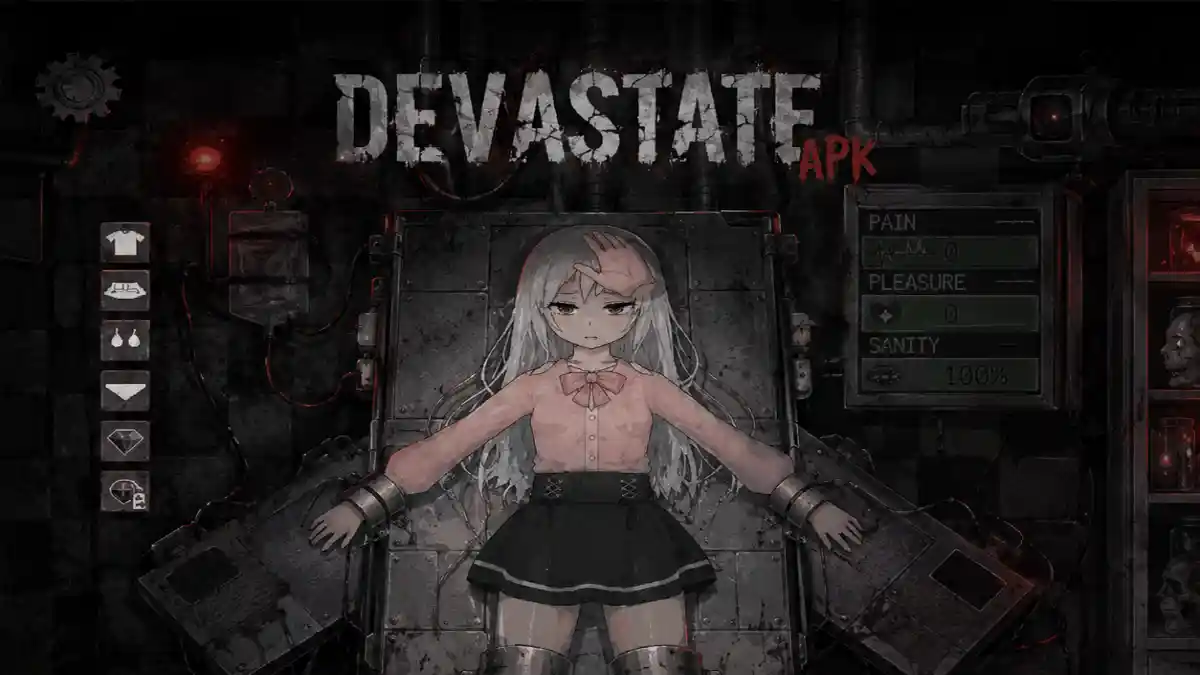
Mood and the sanity style parameter act like quiet steering wheels. They rarely announce themselves, yet scenes read them constantly. When mood is stable, dialogue options tend to stay balanced. When sanity drifts, reactions sharpen and some paths close while stranger ones open.

Endings lean on these meters heavily near the finale. Two players can pick the same final reply and still reach different outcomes because their meters arrived in different states. The detailed breakdown in our sanity and mood outcome system guide shows how the values interact scene by scene.

Branching Scenes and Hidden Flags

Some scenes branch visibly, with a clear fork in dialogue. Others branch invisibly: an item used two scenes ago, or a task finished earlier, quietly changes what a character says now. These hidden flags are why a second playthrough can surprise even careful players.

You cannot see the flags, but you can feel them. When a character mentions something you did earlier, a flag fired. Keeping a simple note of big decisions during a playthrough makes ending hunting far easier later, because you can change one variable at a time.

  • Visible forks: clear dialogue branches
  • Hidden flags: earlier items and tasks matter
  • Character memory: past actions get mentioned
  • Notes help: track big decisions per run

Endings and What Changes Them

Endings in this style of game are best thought of as tones rather than win or lose states. The closing scenes reflect the relationship you built, the state of the meters, and a handful of late choices. A warm ending and a cold ending can share most scenes and still feel completely different in the final minutes.

Chasing a specific ending works best backwards: decide the tone you want, then keep choices, items, and meter management aligned with that tone from the middle of the game onward. Late corrections help, but early consistency matters more.

Replaying for Other Endings

Replaying is part of the design, not a punishment. Finished scenes can be revisited, and a fresh save with opposite habits moves faster because you already know the systems. Many players report that the second run reveals lines and reactions they never saw the first time.

For a clean comparison, change only two or three habits per run: answer style, item use, and how carefully you manage the meters. Changing everything at once makes it impossible to learn which choice actually moved the ending. Our character interaction and dialogue guide is a good companion for planning a different route.

Choices That Look Small but Matter

A reply about a gift, a comment about the room, a decision to rest instead of pushing on: the game hides weight in ordinary moments. Small choices often feed the meters more than dramatic ones, because dramatic scenes are balanced for all players while quiet scenes are tuned to your pattern.

The practical lesson is simple. Play quiet scenes with the same care as big ones. If you tap through small talk on autopilot, your meters drift on autopilot too, and the ending will reflect habits you never consciously chose.

Reading Character Reactions

The clearest feedback the game gives is not a number; it is a face, a pause, a line delivered differently. After a meaningful choice, watch the next two or three exchanges closely. The writing tells you what your choice did long before any ending confirms it.

Players who read reactions learn to steer. Players who only watch meters miss half the information, because meters move quietly while reactions speak immediately. Treat every strong reaction as the game showing you its hand for a moment, and take the hint.

The Midgame Is Where Endings Form

Beginnings are forgiving and finales are reactive; endings are decided in the middle. The midgame is where patterns harden: your default tone, your item habits, your meter care. By the final chapters, the game mostly reads the record the middle wrote.

That is hopeful news for players who feel a run drifting. The middle is long, and a deliberate change of pattern there genuinely moves the ending. Start answering like the player your desired ending needs, and the record will turn with time to spare.

Choice Fatigue and Trusting Yourself

Late in a long run, some players start agonizing over every reply, reloading saves to test tones, and treating the story like an exam with a hidden mark scheme. That way of playing produces knowledge and quietly destroys the experience, because the story was written for a person, not for an auditor with a spreadsheet of outcomes.

When fatigue arrives, return to instinct for a full chapter. Answer as yourself, accept what follows, and notice how the writing relaxes when you do. The endings system is generous to honest patterns and strangely unmoved by perfect ones, because it was built to read a personality. Yours is the one it wants.

Spoiler Free Ending Tips

Without spoiling any scene: keep one save at the start of the final stretch, watch your meters before the last chapters, and finish pending daily tasks before pushing the story forward. A prepared save near the end lets you test final choices without replaying the whole game.

Finally, accept your first ending as your canon run. The game is built so the first ending reflects your instincts. Later runs are experiments, and they are more fun when the first one stays untouched as the reference point.

Frequently Asked Questions

The game is built around outcome tones rather than a single advertised ending count. Your closing scenes shift with your choice patterns, item use, and the state of the mood and sanity meters, so two players can finish with noticeably different endings.

Not fully. One run shows one outcome tone clearly. Replaying with different habits, and keeping a save near the final stretch, is the practical way to compare endings without starting over every time.

Yes. Items used at key moments act as hidden flags. A scene can read differently because of something you used or skipped earlier, which is why item choices belong in any ending plan.

Conclusion

Endings in this game are earned quietly. They grow out of answer patterns, item decisions, and meter care spread across the whole run, not out of one dramatic final tap. Play deliberately, keep notes on big choices, and your endings will feel like conclusions instead of accidents.

Whether your first ending is warm or cold, it is the honest result of how you played. Treat later runs as experiments, change a few habits at a time, and the full range of the story will open up.

Download Devastate APK
Dario Kovac

Reviewed by

Dario Kovac

Android Games Reviewer

Dario tests Android games on real devices, checking clean installation, the permissions a game requests, and performance across long story sessions before any download information is published here.

More about Dario Kovac