
Devastate
Guides

Devastate Beginner Guide: Your First Hour in the Game

Start Devastate the right way with this beginner guide covering the first hour, early dialogue choices, first items, daily tasks, coins, and the settings worth changing before you settle into the story.

Author Devastate DEV

Rated 4.5/5 · 19k

Getting Started in Devastate

Your first hour sets the tone for everything that follows. The opening scenes introduce the main character, the mystery around her, and the basic rhythm of tapping through dialogue, choosing responses, and using items at the right moment. Nothing in the opening is timed, so read at your own pace and tap every highlighted option once to learn what each button does.

Before you go deeper, open the settings and set text speed and brightness to levels that suit long reading sessions. Players who want the full picture of the game systems first can start from the Devastate APK homepage guide and then return here for the practical first steps. A calm first session teaches more than rushing through scenes to reach later chapters.
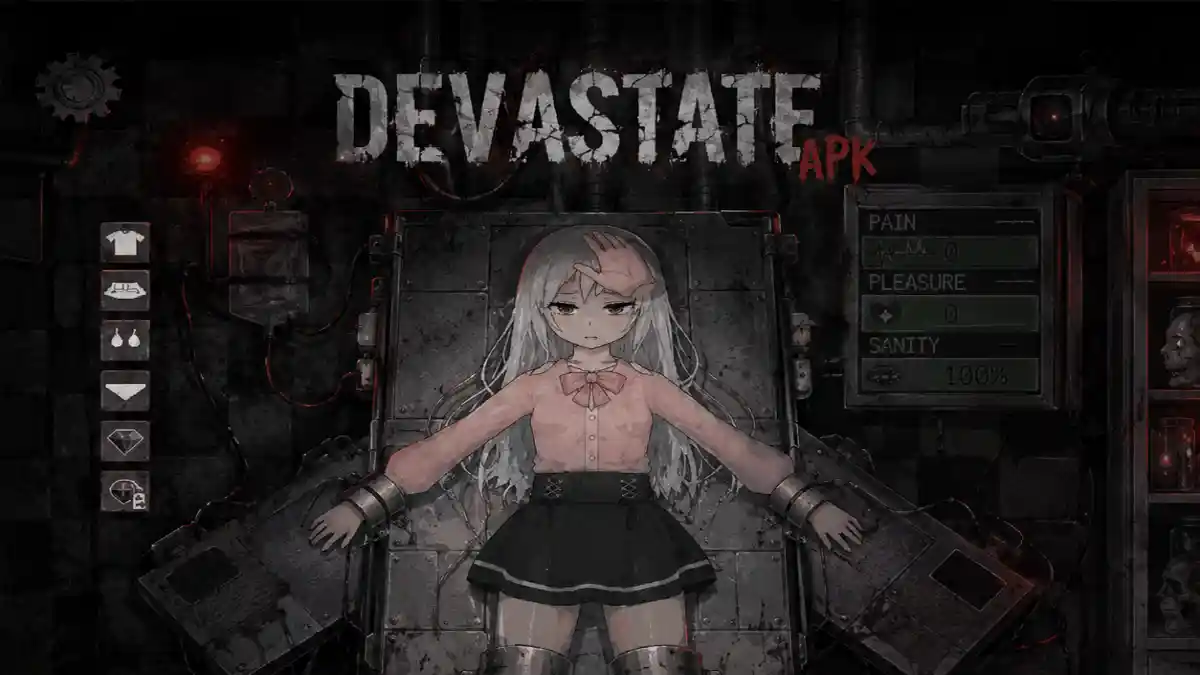

Your First Dialogue Choices

Early dialogue choices look small, but they teach you how the response system works. Some replies simply change the next line, while others shift the mood of a scene or open a slightly different reaction. There is no wrong answer in the opening, so pick the reply that feels natural and watch how the character responds.

A good beginner habit is to save before a choice that feels important. If the result surprises you, reload and try the other reply. Comparing both outcomes teaches you the logic of the choice system faster than any guide, and it shows how much of the story is shaped by tone rather than by a single correct path.

  • Read every reply before tapping
  • Save before choices that feel important
  • Try both outcomes when you are curious
  • Watch mood changes after each reply
  • Do not rush the opening scenes

First Items and How to Use Them

Items appear early and they matter more than they look. The first objects you collect are usually simple, but using the right item in the right scene can change a response or unlock a smoother outcome. Check your item list whenever a scene feels stuck, because a quiet inventory item is often the key the scene is waiting for.

Beginners often tap through dialogue when a scene stalls, but the better move is to stop and review what you are carrying. The item system rewards patience. Our separate guide to the item based gameplay system in Devastate explains the deeper patterns once the basics feel familiar.

Daily Tasks From Day One

Daily tasks are available early, and finishing even a few of them each day builds steady progress. The tasks are short, they refresh on a cycle, and they pay out coins and progression that make later scenes easier to handle. Treat them as a warm up ritual at the start of each session rather than a chore at the end.

Coins earned from the first days are best saved. New players often spend on the first cosmetic they see, then wish they had kept coins for an item or outfit that matters more later. The daily tasks and coins progression guide breaks down how the rewards stack over a full week of play.

Mood and Sanity for Beginners

Two quiet meters sit behind many scenes: mood and a sanity style parameter. You do not need to master them in the first hour, but you should notice them. Choices, items, and rest style actions can nudge these values, and the game responds when they drift too far in one direction.

If a character starts reacting strangely, check these meters before assuming you made a mistake. Small corrections early are cheap. Letting a meter slide for many scenes can lock you into outcomes you did not intend, which is why beginners who glance at the meters after big choices have a smoother first playthrough.

Settings Worth Changing First

Three settings deserve attention before your second session. Text speed controls how fast dialogue appears, and a medium speed suits most readers. Brightness matters because the game leans on darker scenes, and a slightly brighter screen makes details easier to read without washing out the art.

Sound is the third setting. The game uses quiet audio cues, so modest volume with headphones gives the clearest experience. None of these changes affect your save, so experiment freely during the first days until the game feels comfortable for long sessions.

  • Text speed: medium for most readers
  • Brightness: slightly above default for dark scenes
  • Volume: modest, headphones help quiet cues
  • Auto mode: useful for re-reading finished scenes

Common Beginner Mistakes

The most common beginner mistake is spending every coin immediately. The second is ignoring items when a scene stalls. The third is skipping dialogue to reach later chapters, which makes later choices confusing because the story context was in the lines that were skipped.

Another quiet mistake is playing only in short bursts without finishing a scene. The game is built around scenes that resolve. Ending a session right after a scene completes keeps the story clear in your mind and makes the next session easier to start.

Reading the Interface

The interface is quiet by design: a scene area, a text box, and a small set of buttons that stay in the same places. Spend one early session simply learning where things live: where items sit, where the save option hides, and how the menu opens. That tiny investment removes fumbling from every later scene.

Notice how the game signals interactivity. A highlighted object, a pause in the text, a new reply option appearing: these are the game tapping your shoulder. Beginners who learn the signals stop missing the small interactive moments that carry items, coins, and bond building chances.

Pace Yourself Like a Reader

This game is paced like a novel, not a sprint. Sessions of thirty to sixty minutes suit it well: long enough for a chapter to breathe, short enough that the details stay fresh. Daily short sessions beat weekend marathons for both story memory and the daily task economy.

When a scene ends on a hook, it is fine to stop there. The game saves cleanly between scenes, and returning tomorrow with the hook fresh in mind is a pleasure the design intends. Rushing to resolve every thread tonight only dulls the threads.

A Note on Spoilers

Beginners deserve one warning that has nothing to do with mechanics: this game is easy to spoil and hard to unspoil. The mystery is the engine, and a revealed twist cannot be unknown again. If you look something up, search for the system, not the scene: how items work is safe to read, while what happens in a late chapter is gone forever once read.

A good rule is to finish a chapter before reading anything about it. Guides like this one are written to explain systems without touching outcomes, and community discussions are safest in threads marked for finished players. Protect the first run. It is the only one where every reveal lands at full strength, and it is the run you will remember years later.

Your First Week Plan

A simple first week plan works well: finish the opening scenes on day one, clear daily tasks each day, save coins, and change one outfit or item setup once you understand what each option does. By the end of the week you will know the main systems without feeling rushed.

From there, the game opens up naturally. You will understand choices, items, tasks, and meters well enough to enjoy the mystery at your own pace, which is exactly how this style of game is meant to be played.

Frequently Asked Questions

Most players spend 30 to 60 minutes on a comfortable first session. That is enough time to finish the opening scenes, learn the dialogue system, use your first items, and clear the first daily tasks without rushing the story.

Yes. Saving before a choice that feels important lets you compare outcomes and learn how the response system works. It costs nothing, and it turns early mistakes into lessons instead of frustrations.

Save coins during the first days. Early cosmetic spending is the most common regret. Wait until you understand which items and outfits actually help your playthrough, then spend with a purpose.

Conclusion

Devastate rewards patient beginners. Learn the dialogue rhythm, respect your items, glance at the mood and sanity meters, and let daily tasks build your coin balance quietly. The mystery at the center of the game lands better when the systems around it feel familiar.

Start with one relaxed session, apply the settings and habits in this guide, and the rest of the game will feel welcoming instead of confusing. That steady start is the real beginner advantage.

Download Devastate APK
Dario Kovac

Reviewed by

Dario Kovac

Android Games Reviewer

Dario tests Android games on real devices, checking clean installation, the permissions a game requests, and performance across long story sessions before any download information is published here.

More about Dario Kovac